
After listening to Blattaria, I have taken an interest in their main musical influence: Skáphe. They earned a great deal of respect from the black metal underground during their lifetime, but I was late to the party, so to speak. I will now rectify that.

Skáphe
Skáphe was formed in 2014 by Chaos Moon frontman Alex Poole. (No relation to Christopher Poole.) He was then joined by former Abserdo bassist Dylan Zdanavage, and later that year they put out their self-titled debut, which was then distributed by Fallen Empire Records. The bold red and black cover art always intrigued me. I still have no idea what it's supposed to be, but it reminds me of a bacteriophage.
The production has a dark and cavernous quality, which makes the listener feel like they have wandered into some forbidden, night-haunted land. The drumming is sometimes furious and other times elaborate. Aside from the raging blast beats that are common in black metal, they also play skank beats and creeping slow beats. They then punctuate all of these different patterns with intricate fills. One thing about this album that amazes me is just how prominent the bass is. The low-pitched riffs they play make the music all the more unsettling.
Dylan performs some great raspy shouts and howls. Thanks to the extra reverb, they sound even more spine-chilling. The guitars are the real highlight of the presentation. Instead of the tremolo riffs that are commonplace in black metal, these guys play open chords that have a cold, dissonant sound. They are frightful, but also strangely beautiful, for they occasionally express some compelling melodies. When paired with the blast beats, they create a fascinating dynamic, like a merger of grace and chaos.
This was a really strong debut. It's strange and unorthodox, but it has also been crafted extremely well. The instrumental work and atmosphere are truly remarkable.

Skáphe²
Before I analyze this album, I want to take a moment to talk about Fallen Empire Records. They formed sometime around 2011, and though their lifespan was short at a little over seven years, they left quite the impression on the metal scene by distributing the works of truly skilled and unique bands. Skáphe was one of them. Two years after their debut, they released another full-length called Skáphe².
The music here is a continuation of the formula they created on their first album, albeit with a great deal more refinement. The production still has that cavernous quality that makes the music feel like it rose up from regions where the Sun never shines. Furious blast beats have become more plentiful, but elaborate rhythms and fills are still in copious supply. They also exhibit stronger double bass and cymbal work. The bass continues to astound with deep and imposing riffs. Especially noteworthy are its performances near the end of the second track and at the beginning of the fourth.
Dylan left the band shortly after the release of their first full-length, so he was replaced by Misþyrming mastermind Dagur Gislason. His raspy vocals border on sounding like growls, but despite these death metal qualities, they still fit the music extremely well. He also does some great screams. The dissonant chords are even more frightening here than they were on the band's first outing. To put it another way, if the guitars on the first album represent a terrifying ethereal creature, then the guitars on here represent that fiend made flesh. They also add tremolo riffs to the mix, and they end up sounding like angry hornets.
The band's first album was good, but their second is a much more enthralling experience. There's more variety, the instrumental work leaves a much greater impact, and the songwriting and atmosphere create a stronger musical narrative.
Untitled
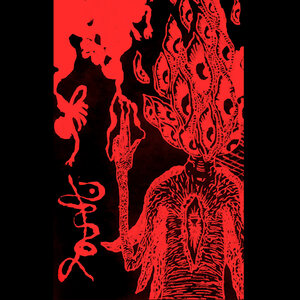
In 2017, Skáphe released an untitled EP which consisted of one long song. Musically, it feels like an addendum to their second full-length. The production, instrumental work, vocals, and songwriting have remained the same. It still sounds great, so I won't complain. The drums still play plenty of torrential blast beats and creeping slow rhythms. The bass continues to give the music a greater sense of depth. Dagur's raspy vocals are still great and still give the music a sense of malice. The dissonant high-pitched riffs continue to sound sublime. The songwriting makes the listener feel like they're descending into realms of eternal night, shunned by all that is good and holy. Horror, hatred, and despair are expressed in equal measure. This song is 22 minutes in length, but the experience never gets boring or repetitive. Skáphe was one of those few bands who were able to create long songs that remained captivating from beginning to end.

Skáphe³
Three years after the release of their untitled EP, Skáphe put out Skáphe³, their last full-length album. The band broke up four years later.
The production is cleaner than what I'm used to. Because of this, it doesn't have the same atmosphere. I was still able to enjoy the music regardless. The drums are now played by former Inferi member Jack Blackburn, and he proves himself to be incredible. His blast beats are delivered with mechanical precision and force. During the mid-paced rhythms he occasionally includes rapid bursts of double bass. What truly astounded me were the many elaborate patterns and fills he sprinkled throughout the album. They make the music feels more chaotic.
The bass is still prominent in the mix and still plays plenty of amazing deep riffs. Dagur continues to perform excellent raspy vocals, but what surprised me this time around were the clean vocals that showed up on songs like "XIII - The Shrill Cracks and Moan" and "XIV - A Spiritual Bypass." The guitars still play those signature high-pitched open chords, but these in particular are some of the best the band has ever recorded. Their structures and sound are hauntingly beautiful. They take the listener on a journey both dark and inspiring.
After having said everything they felt was necessary, Skáphe broke up in 2024. Their third full-length album was their best, and I feel it was the right decision to end on such a high note because any album they might have recorded afterward would have just been a retread.